Huangshan Maofeng
Overview
Huangshan Maofeng is a prestigious and highly sought-after green tea variety originating from China. Its name, which translates to "fuzz tip from Yellow Mountain," refers to its production in the Huangshan Mountain region, located in Anhui province, East China. This tea is celebrated for its tender, needle-like leaves and subtle floral aroma. Despite its widespread acclaim, debate persists regarding the specific part of the mountain that produces the finest Huangshan Maofeng. The general consensus is that the small town of Fuxi, located on the southern slopes of the mountain, is where the tea was first cultivated.
Historical Background
The origins of Huangshan Maofeng can be traced back to the late 19th century. A local merchant named Xie Zhengan, who lived in a remote village within the Huangshan region, developed a unique tea baking technique that transformed the leaves of an otherwise nondescript plant into a highly coveted beverage. The region's ecology, with its moist clouds and granite peaks, contributes to the distinctive quality of the tea, allowing leaves to accumulate more nitrogen content, enhancing their aroma.
Geographic and Ecological Significance
Climate on Huangshan Mountain, renowned for its picturesque landscapes, is characterized by misty clouds encircling the mountain, creating an ideal environment for tea cultivation. These clouds act as a natural barrier, shielding the tea leaves from excessive sunlight, thus facilitating the production of nitrogen-rich leaves with distinct aromatic qualities.
Tea Production and Tourism
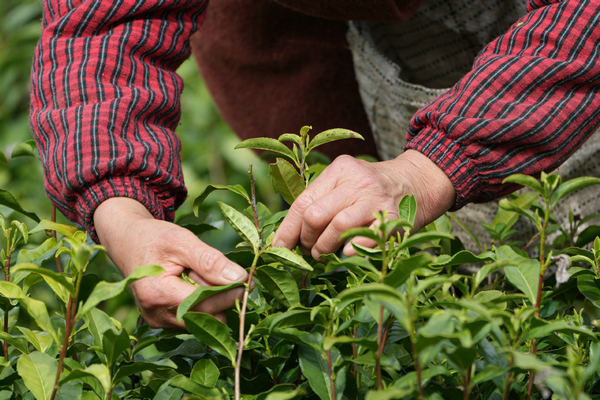
The official tea-picking season for Huangshan Maofeng begins in early April, marked by ceremonial events that draw tourists to Huangshan. The spring season breathes life into the region, with melted snow feeding creeks and waterfalls, and flowers blooming against the backdrop of Hui-style architecture. This picturesque setting, coupled with the allure of tea picking, attracts tourists, offering them an opportunity to engage with traditional tea culture. A museum operated by the sixth-generation descendants of Xie Zhengan provides an in-depth look at the history and cultivation of Huangshan Maofeng, contributing to the region's growing appeal among tourists.
Economic and Cultural Impact
Huangshan city's tea industry plays a vital role in the local economy. In 2022, the industry produced 45,000 metric tons of tea, generating significant revenue and further solidifying Huangshan's status as a leading tea-production region in China. The region's teas, including Huangshan Maofeng, Taiping Houkui, and Qimen Black Tea, enjoy global recognition for their quality. This international acknowledgment underscores the cultural and economic importance of tea in the region. Article reference1. About Huangshan Tea. chinadaily.com.cn. 20232. Tourists find tea and more in Anhui. chinadaily.com.cn. 20203. Coveted 'fuzz tip' is the peak for connoisseurs. chinadaily.com.cn. 2019Photo Gallery(7 pictures)CategoriesLifestyleTagChinese Cultural SymbolFood CultureChinese TeaRelatedSix Major Categories of Chinese TeaCatalogue1. Overview2. Historical Background3. Geographic and Ecological Significance4. Tea Production and Tourism5. Economic and Cultural Impact- - - []








